
Using Agilities in Client Connected Projects
Written by Andrew Smithson, Hickman Mills School District Real World Learning Coordinator
One of the big problems that many teachers encounter when working on group projects in their classrooms is the interpersonal dynamics of their student groups. We’ve all seen groups where the students do their own, siloed work and the final product is a patchwork of disparate styles and ideas.
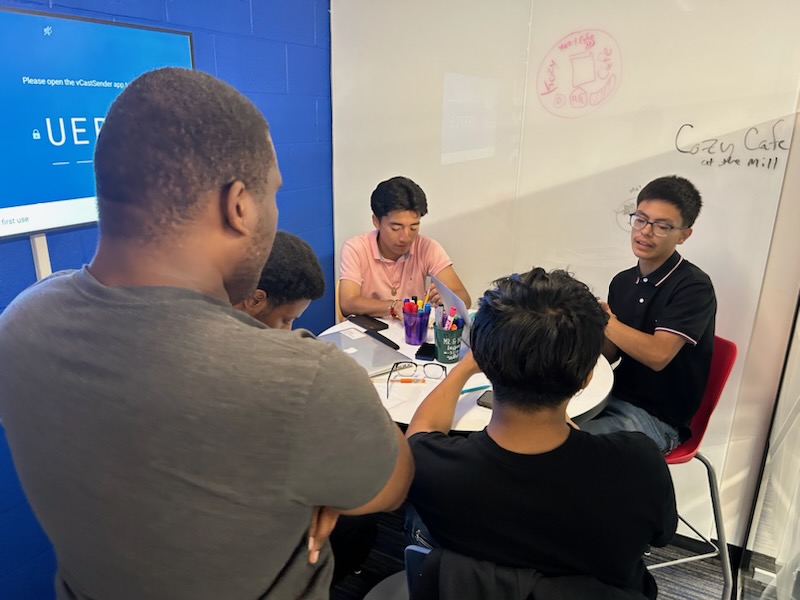
We’ve seen groups where one student with a strong personality dominates conversations and squashes opposing ideas, or groups that have one reluctant leader who ends up doing almost all of the work. Having a strategy for creating student groups that function effectively is an important piece of executing a valuable student project.
While there are a lot of different strategies that different teachers have used successfully, one of my favorites is using the DeBruce Agilities Profiler to help identify students’ strengths and interests before beginning a project. Once students complete the profiler, they receive a ranked list of the ten workplace agilities identified by DeBruce:
- Developing Others
- Operating Objects
- Innovating
- Organizing
- Inspecting
- Selling and Communicating
- Judging and Estimating
- Serving and Caring
- Managing
- Working with Information.
These aptitudes can now give both you and the students a good framework for creating effective groups with some intentionality.
As a matter of personal preference, I like to take a couple of class periods to have the students really dig into and understand what the different Agilities mean.
What good does knowing that you’re good at “Judging and Estimating” mean if you can’t describe what Judging and Estimating is?
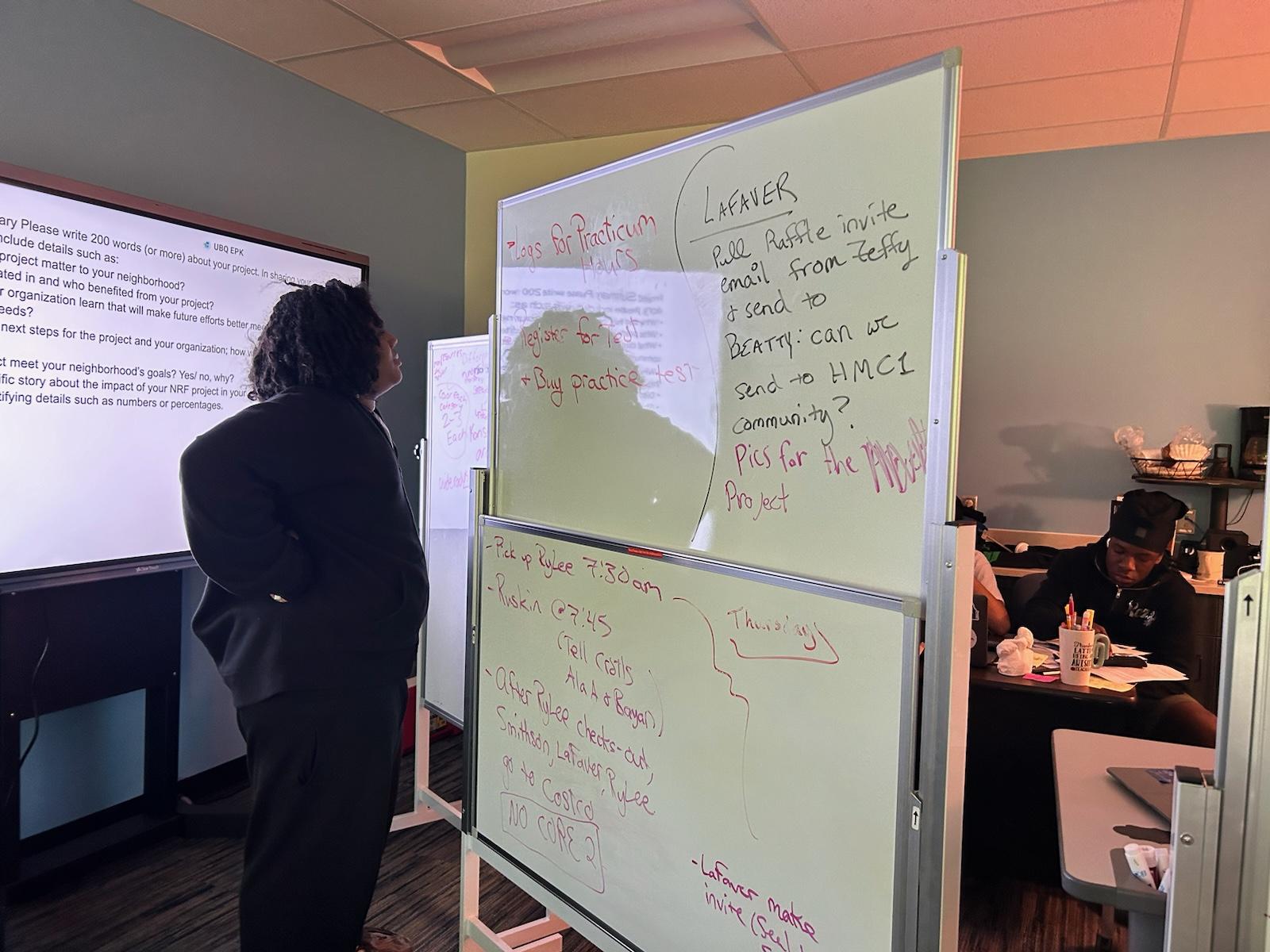
There are a lot of tools available on the DeBruce website for using the Agilities in class. Under the “Tools and Resources” link on their page, there’s an entire section dedicated to “K-12 Resources” to help students understand the verbiage used by DeBruce to describe their strengths.
Now is when the student groupings come into play. Whether you prefer to assign groups or let students choose their own, using the Agilities as a framework ensures that students are working with peers who have complementary strengths and not just choosing their friends.
Asking questions like “Who in your group is best suited to manage due dates?” or “Who is going to be the ‘big ideas’ person?” forces students to look at their Agilities and consider roles within their groups.
It also helps to grease the wheels of conversation a bit as well: students tend to stare at each other quietly when they’re lost, but if they at least have a notion of each others’ skills then they have a place to start when the group work begins.
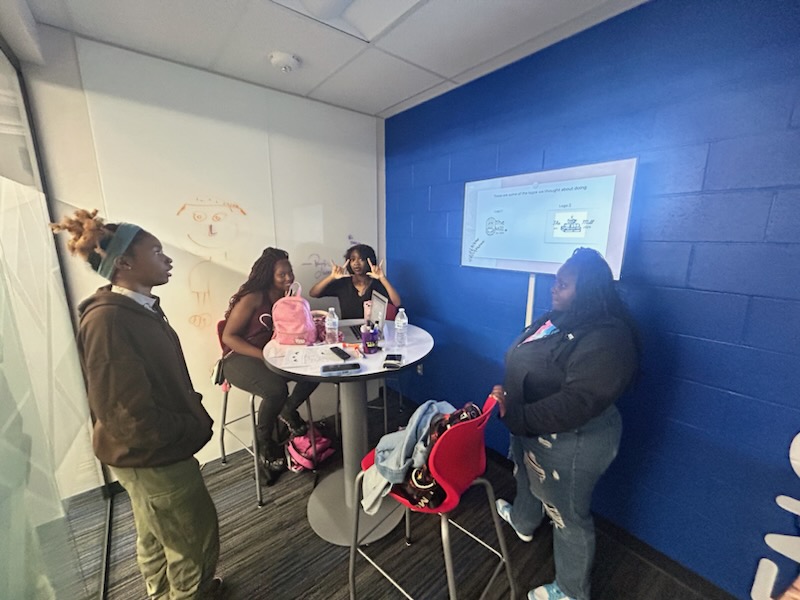
Finally, because the Agilities play a fairly significant role in my class, I like to refer back to them at various points throughout the project. I have the students complete reflections at each major phase, and I like to include questions like:
- What Agilities did you use during the [empathy work/ideation/etc.] phase?
- What Agility do you think you grew the most in during this phase? Why?
This forces the students to not only own their strengths but also pushes them to become reflective practitioners in their own right.
If you find that using the DeBruce Agilities materials are valuable for you and your class, there is a free professional development opportunity offered by DeBruce to become a certified Agilities Coach (which I have done).
It’s only a couple of days, and in my opinion, it was well worth the time and effort. You can learn more about that on their website as well at this link.
